

Everybody loves their animal friends. Now, as a person who jobs like to clean dryer vents, I can guarantee you that your clothes dryer did not make them. If you have one of them, or several of them, even just the fur of shedding cats, you know the difficulty of keeping it off your clothes when you’re living in a Los Angeles house. You have lint rollers to roll over things. You vacuum constantly. However, eventually, all that hair finds itself in the washing machine, and is then tossed directly into the dryer. Many people think that the dryer’s lint trap catches them all. Then you pull the screen out, remove a thick layer of grey furs, and make deductions about the machine to the effect of “Well it did its job.Then you pull the screen out, remove the thick layer of grey furs and make deductions about the machine to the effect of “Well it did its job. Unfortunately, that is not the only thing. That hair that doesn’t end up in the trap is a huge and targeted blockage in your walls. It behaves totally differently from normal cotton lint and is why when your clothes are freshly laundered they are suddenly smelling like a wet dog. What’s REALLY going on in your pipes.
The Physics of “Dryer Felt”
The majority of normal lint comes from broken fibres of cotton and polyester from clothing which has been worn. It’s light, airy and fairly easy for the dryer’s blower motor to push out of the house.Pet hair is completely a whole other matter. Keratin is what makes up animal fur. Contains nature oils. In a spinning metal drum with wet blankets covered in fur, waterspinning and high-heat are the ideal conditions for static electricity.Pet hair can be a nuisance and easily work its way through the opening of plastic lint screen, as it is very fine.
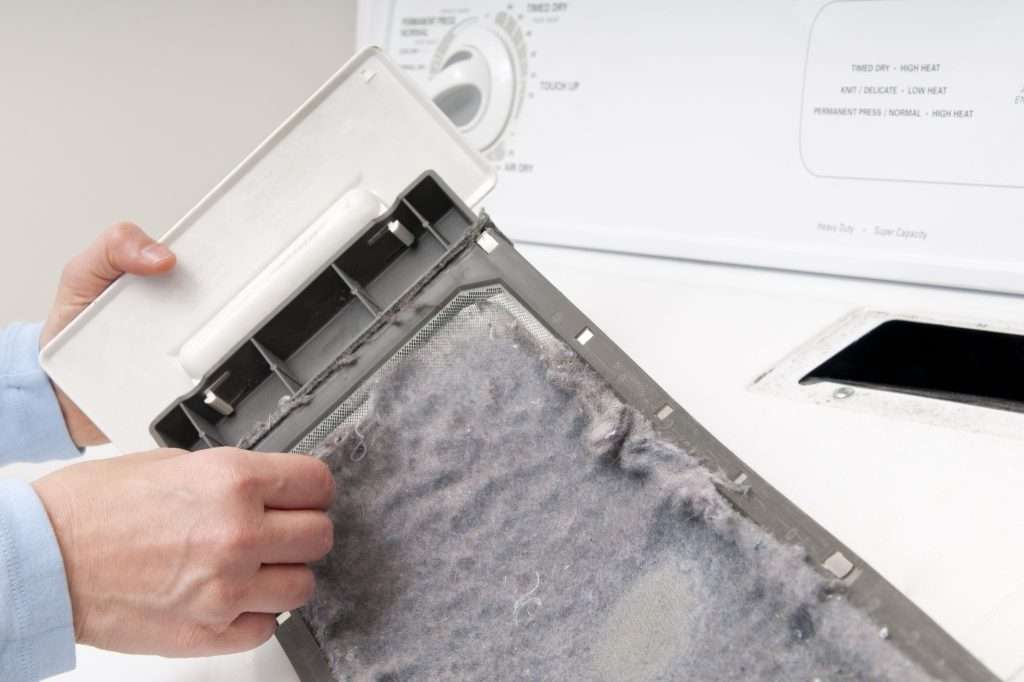
These hairs leave the trap and get into the inside ductwork where they stick on the duct metal wall surfaces by static electricity. More hair arrives blowing in the wind and the hair weaves together. Pet hair is a heavy substance which is as thick as industrial felt, and yet it is not loopy and fluffy. This “dryer felt” which is installed on the inside of your exhaust pipe muffles sound.This “dryer felt” is a muffler placed in the exhaust pipe. It makes the tunnel narrower reducing the air flow through it till your dryer’s temperature reaches critical and you get it heat interruption.
The “Wet Dog” Smell Explained
Ever pull hot towels out of the dryer, cover your face in them and find that the cloths have a musty odor? Fat as a porcupine or wet dog? The answer is not that you are having dreams made up – and it seems as if detergent switching will not help. Your vent gets covered by that pet hair laden covering similar to a sponge. Each drum turn the dryer pushes gallons of water vapor out the dryer bonnet. Those are吸anium by your pet’s hair. As a result, the air can’t circulate and the remaining moisture remains inside your wall, causing the pipes to get clogged. The bacteria start to multiply in the fur over time, which is damp and oiled. The next time you put clothes in the dryer this bacteria will be baked by the heat creating an odor of wet, rotting dog hair that will be blown right back into the dryer drum with your clean clothes. But when the laundry is smelly straight out of the laundry machine you do have a washing machine problem. The house has you got a venting problem!
The Fire Risk is Higher for Pet Owners
I don’t say this to scare anyone, but pet hair is incredibly flammable. Because animal fur contains natural oils, it ignites much faster and burns significantly hotter than standard cotton lint. If your exhaust pipe is choked with dog hair, the heat inside the appliance has nowhere to escape. The internal temperature will spike, and the heating element can easily ignite the fur that slipped past the trap. If you own pets and you run your dryer multiple times a week, the standard advice of “clean your vents every two years” doesn’t apply to you. You are putting three times the amount of debris through that system as a pet-free home.
How We Handle High-Shedding Homes
You can’t just vacuum this out yourself. Because pet hair weaves itself together and sticks to the pipe walls with static and oils, a standard shop-vac won’t even make a dent in it.
At Dryer Vent Now, we see this all over the South Bay and Westside. We use specialized, rotating mechanical brushes that actually scrub the interior walls of your ductwork. We break apart the heavy “felt” mats and use high-powered negative air pressure to pull the trapped fur, oils, and musty odors completely out of your home.
If your clothes are taking forever to dry, or if your laundry room is starting to smell a bit like your dog, it’s time to clear the line. Call Dryer Vent Now at +1 (310) 304-5826 and let us get your system breathing again.